

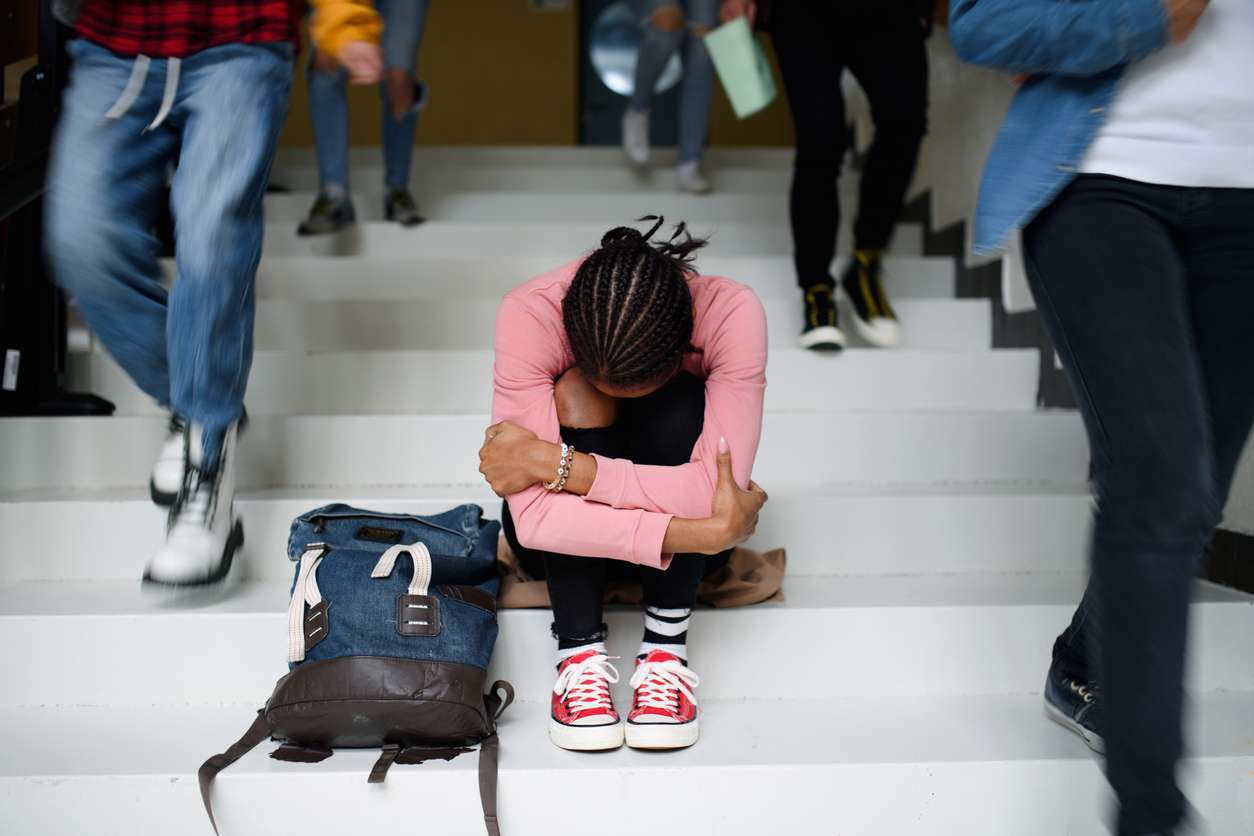
Children and teens can be moody, but when signs of mental health troubles last for weeks, don’t assume it’s just a passing mood.
Suicide is a leading cause of death among U.S. children, teens and young adults ages 10-24, and rates have been on the rise. The American Academy of Pediatrics recommends that all teens be screened for suicide risk starting at age 12.
While no single cause has been identified, suicide is often preceded by depression that is undiagnosed or untreated. Most youth show some warning signs or behavior changes in advance. Families and their doctors can work together to identify if a child or teen is struggling with depression, anxiety or substance use, all of which increase the risk of suicide.
“Suicide is complex, but often preventable,” said Janet Lee, MD, FAAP. “When a person talks about killing themselves or feeling hopeless or trapped, it should always be taken seriously.”
Don’t be afraid to ask your child or teen to talk about their mental health or if they’re contemplating suicide. Asking directly is the best way to know what your child is thinking. Studies show that it is safe to ask about suicide risk and that asking the question will not put the idea into their head. Note that your child may initially turn away or be silent, but actions may speak louder than words. Watch for major changes in your child’s sleep patterns, appetite and social activities. Self-isolation, especially for kids who usually enjoy hanging out with friends or participating in activities, can signal serious difficulties.
“Your goal should be to create a safe space where your child can trust you to listen and express concern without judgment or blame,” Dr. Lee said.
If your child says something like “I want to die” or “I don’t care anymore,” some suggested responses are:
- “I’m sorry you are feeling this way—can you share a bit more?”
- “It sounds like you’re in tremendous pain and you can’t see a way out.”
- “Maybe you’re wondering how life got this complicated and difficult.”
- “Right now, you’re not sure of the answers to the problems you’re facing.”
- “You must really, really be hurting inside to consider ending your life.”
Common causes of stress that increase the risk of suicide include major life-changing events, including the loss of a loved one to death, divorce, deployment or incarceration. Bullying, discrimination, racism and stigma surrounding mental heath or suicide can also increase risks. Children who have witnessed or are suffering violence or domestic abuse, engage in self-harming behavior or experienced a suicide in their school or friend group are also at higher risk of suicide.
Research has shown there are protective factors that help reduce the risk of suicide, including ready access to health care. Maintaining close connections to family, friends and one’s community is also important.
Parents and guardians should limit access to lethal means, such as removing firearms and locking up medications or other potential poisons or weapons in the home. Half of youth suicides occur with firearms—and suicide attempts with firearms are almost always fatal. Teens and adolescents who attempt suicide with a firearm almost always use a gun found in their house, studies find.
“Suicide is often impulsive and a moment of crisis can escalate quickly,” Dr. Lee said. “If your child is considering suicide, call or text 988 or chat on 988lifeline.org right away. The Lifeline provides 24/7, free and confidential support for people in distress, as well as prevention and crisis resources.”
For more information, visit HealthyChildren.org.
As children grow and become more independent, it can be more challenging to know what they are thinking and feeling. However, if you see signs that your child’s mental health is under threat, it’s important to tune in and take action.