

PANELISTS:
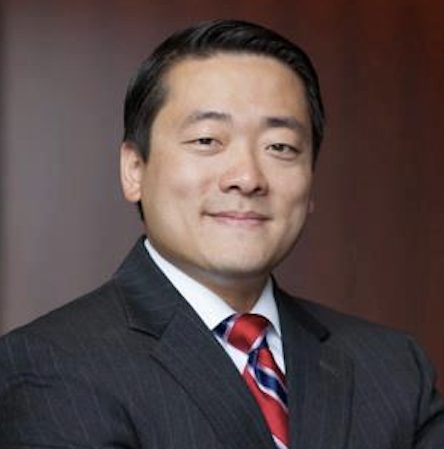
Representative Gene Wu, Texas State Representative, District 137
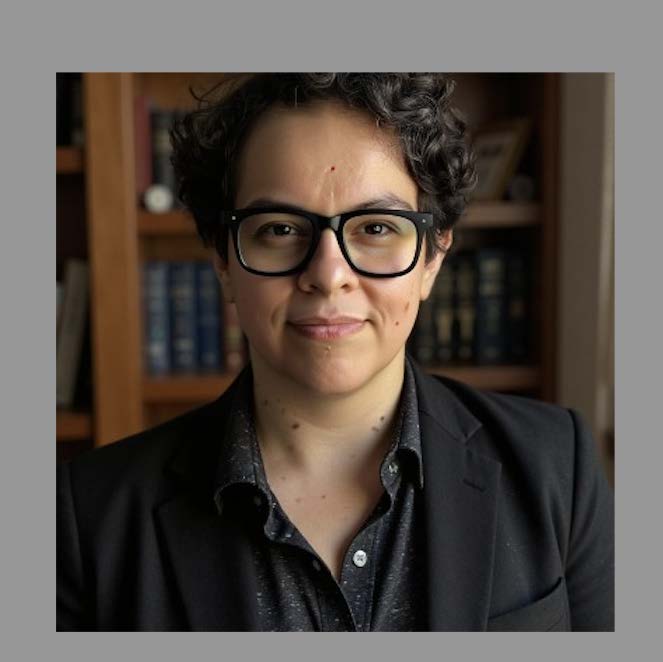
Karla Maradiaga, Voting Rights Attorney, Texas Civil Rights Project
Melissa Allala, Resident of Congressional District 29, Longtime Activist,
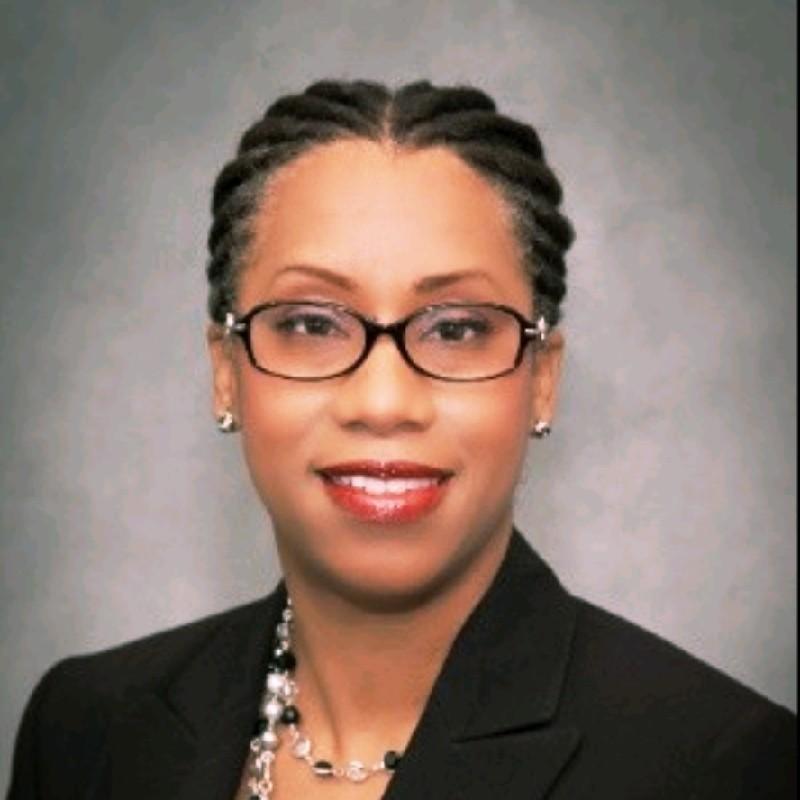
Carmela Walker, EMPA, Center for Social Justice & Education Houston Area Urban
League, Inc
Houston Community Media recently hosted a chat with community leaders about gerrymandering, how redistricting affects communities of color, and what’s happening behind the scenes. The goal? To help everyone understand what’s really at stake as Texas redraws its political maps.
In Texas, redistricting has sparked concerns about gerrymandering—the idea that political lines are drawn to give one party an edge. The main tactics are called “packing,” where a group of voters is squeezed into one district to reduce their impact elsewhere, and “cracking,” where communities are split across districts, so their voting power is weakened. Under the new map, experts say Republicans, who usually win just over half the statewide vote, could end up controlling a much bigger share of congressional seats.
Impact on Communities of Color
Redistricting hits communities of color the hardest — even though they’re driving Texas’s growth:
- Latino Texans, now nearly 40% of the population, could see their voice watered down if their neighborhoods get split apart.
- Black communities in cities like Houston and Dallas risk being carved into multiple districts, weakening their ability to back candidates who reflect their priorities.
- Asian American communities, especially in booming suburbs, often end up in districts where bigger voting blocs drown out their influence.
Critics of the redistricting process in Texas point to limited transparency and public participation. Legislative debates move quickly, with maps released shortly before votes are taken. And though public hearings are held, community groups argue that input is not always reflected in the final maps. This begs the question if redistricting decisions prioritize political advantage over reflecting genuine population changes.
CONVERSATIONS WITH LEADERS
Rep. Gene Wu:
“I want to be very clear about. What this fight is about, and why this especially matters to minority communities. Gerrymandering and all… and redistricting, all that stuff, I understand, is very complicated. And you don’t need to understand it completely. To understand people are trying to cheat. That we’re in the middle of a game. Uh, we say we write rules before and after the game, but we don’t rewrite the rules during the game. What they’re trying to do is rewrite the rules. In the middle of the game, because they know that they’re going to lose, and they know ..They’re going to lose because. Whether you understand, uh, redistricting or not. All you need to know is redistricting is, by law, required to be done. Only after a census is done. Right? There’s no other reason to do it other than after a census. We just… Redistricted after the 2020 census. It just happened. In fact, the court case.this is not just about Democrat versus Republican. Because if this is allowed to happen… If the Republicans go through with this. What it will mean is that our communities will have even less voice.”
Carla Maradiaga
“My name is Carla Maradiaga. I am a voting rights attorney with the Texas Civil Rights Project. We are a non-profit, and our goal is to advance a true multiracial democracy. Here in Texas, a state that is majority minority, large immigrant populations. we also care a lot about being plugged into these communities, and so…We have been attending, these redistricting hearings, which were hosted by the House. To discuss this redistricting, and I was actually present at the Houston hearing, and it was very emotional in a good way for me as an attorney to see the turnout. At that hearing, we had almost 1,000 people register to speak. Another concern is a lack of transparency over the process. This process, should be transparent for the voters, for the communities. At these hearings, the maps had not been released. So, the community did not have a lot of information to speak meaningfully about what this will mean. Even so, they showed up for our litigation, that is important. Those are things that we include in our court filings and our pleadings.To show the court that the community does not support this. People are speaking out against this. So this is very important to show up to these hearings to speak to your representatives. about how you feel about this.It’s also important to continue voting.”
Melissa Ayala
“In other words, will this be a big, explosive political issue that gets resolved with redrawn maps, or how will you continue to keep people’s attention? Well, the conversations are already happening. My only thing is we do need to stay engaged, right? That’s the whole thing. Two, we need to keep on voting. That’s really gonna be a good part of it. But three, it’s also not just going to our elected officials and complaining to them, it’s also bringing in our community. but genuinely, it’s remaining boots on the ground, and that’s what’s gonna matter.”
Carmela Walker, EMPA
“The stakes are high because we know that Minority communities are going to have their voices muted. And even though there are lawsuits that are pending now, I think that there’s a principal point to it where we talk about the representation choosing their voters versus voters choosing who is representing them. We have a duty to ensure that we make the choices, because we’re tax-paying people. You know, whether we’re white, black, Muslim, Hispanic, Chinese or the AAPI communities. So, it’s imperative right now that we understand the gravity of where we are and what controls we have. I know one thing, what I know…is that no one’s coming to save us. We’re going to have to save ourselves. So, you know, fairness is a civic value. It’s not a partisan one, it’s not a racial one. We have a human condition and a human… responsibility to our friends, family, loved ones, and all of us as a family together.”
FINAL THOUGHTS
Redistricting isn’t just about drawing lines on a map — it’s about fairness, representation, and the future of communities across Texas. How these districts are drawn can strengthen or weaken the voices of voters, particularly in rapidly growing communities of color. As lawmakers finalize the maps, the decisions made today will shape who holds power and whose interests are truly represented for the next decade. -Kim Floyd