
How you shop and what you buy at the grocery store can predict whether you pay your credit card bills on time, new research shows.
Marketing professors Joonhyuk Yang of the University of Notre Dame and Jung Youn Lee of Rice University wanted to learn about alternatives to traditional credit scores. They teamed up with a multinational conglomerate that runs a large supermarket chain and a credit card issuer.
By analyzing consumer-level data from those two business units, they were able to see how 30,089 individuals shop and manage their finances.
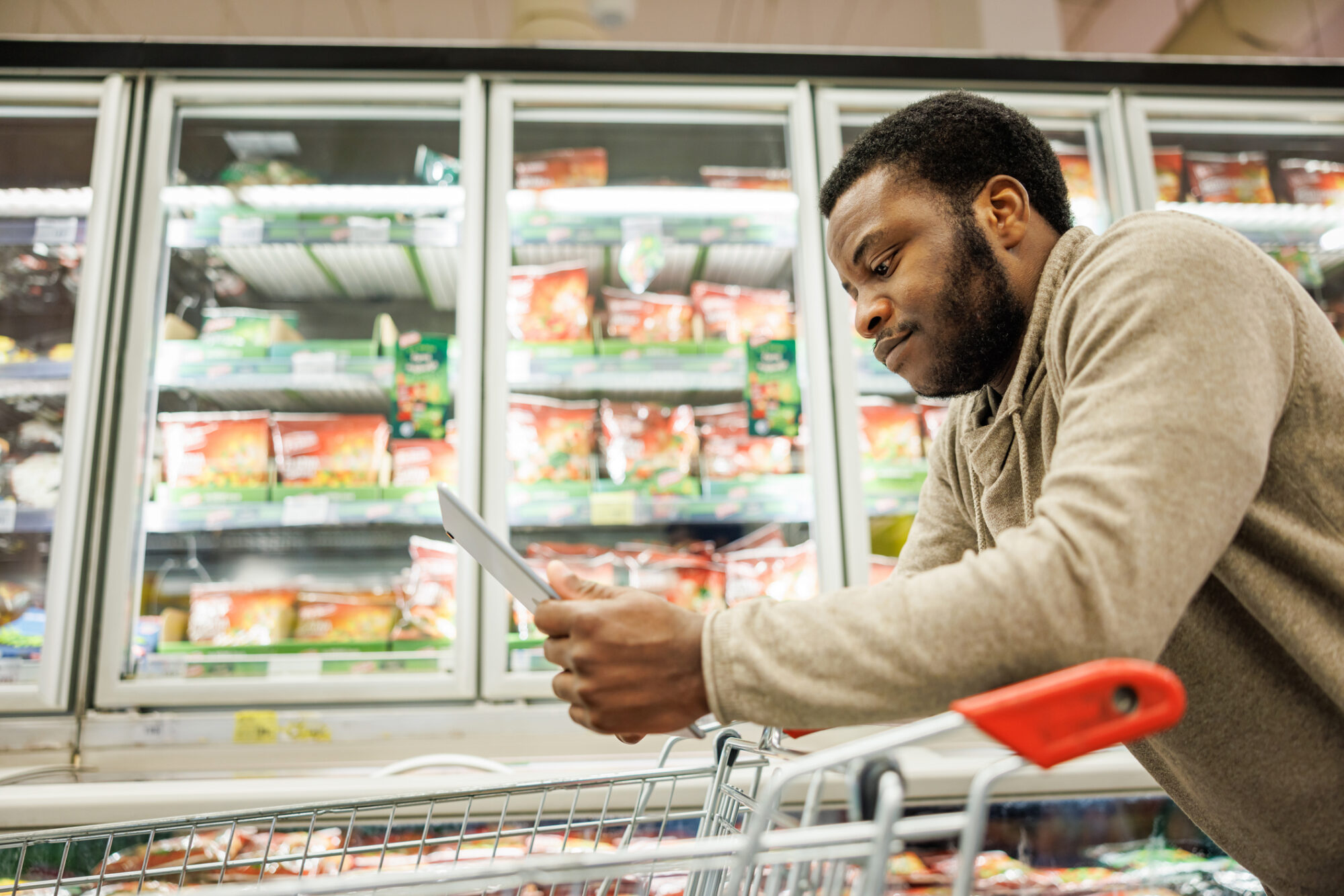
They found that people with more consistent grocery shopping habits are more likely to pay their credit card bills on time. These are people who tend to shop on the same day of the week, spend about the same amount each month, buy similar items across trips, and take advantage of deals regularly.
They also found that what people buy predicts how they manage their finances. For example, shoppers who frequently purchase cigarettes or energy drinks are more likely to miss credit card payments. Those who often buy fresh milk or salad dressing tend to be more diligent about paying their bills.
In general, buying healthier but less convenient food predicted responsible payment behaviors. This was true even when they held consumer characteristics such as income, occupation, credit score, and family size constant.
Building on those findings, they developed a credit scoring algorithm that scores people based on their grocery shopping habits along with traditional credit risk indicators. When they simulated approval decisions with this algorithm, they found that using grocery data could help lenders predict defaults more accurately while boosting their per-customer profits.
Why it matters
According to the World Bank, more than 1 billion people worldwide lack access to formal financial systems and, as a result, have no credit scores. In the U.S. alone, about 45 million adults have no credit history or not enough of one to generate a score.
This makes it hard for them to access credit, even if they are responsible borrowers. It’s a problem that disproportionately affects underprivileged groups, including people of color and women.
In response, policymakers and researchers are increasingly interested in using alternative data sources to assess creditworthiness. For instance, Fannie Mae now considers mortgage applicants’ rent payment histories, allowing those without traditional credit histories to demonstrate their creditworthiness.
Grocery data is especially promising because there’s so much of it. Information about consumer preferences is continuously being generated in every aisle of grocery stores around the globe.
What’s next
They believe that their study serves as a proof of concept, offering insights for the design and implementation of future research. However, several key questions remain. For example, what if this approach affects different groups unequally? And what about privacy concerns?
Their follow-up research aims to address these issues. They’re collaborating with a conglomerate in Peru, a cash-reliant country with a significant unbanked population. Building upon their current findings, they’re working closely with that company to test the impact of their approach on low-income populations. They’ll be helping to evaluate credit applicants using retail transaction data, aiming not just to improve profitability but also to boost social inclusion in the region.
Source: The Conversation (Edited by d-mars.com)