

By d-mars.com News Provider
At a time when the economic impacts of COVID-19 are making it hard for many families to afford healthy food and safe housing, and ever-changing work and school schedules are making their logistics hard to juggle, a new report finds that inequities in the system are further exacerbating these issues for millions of American children.
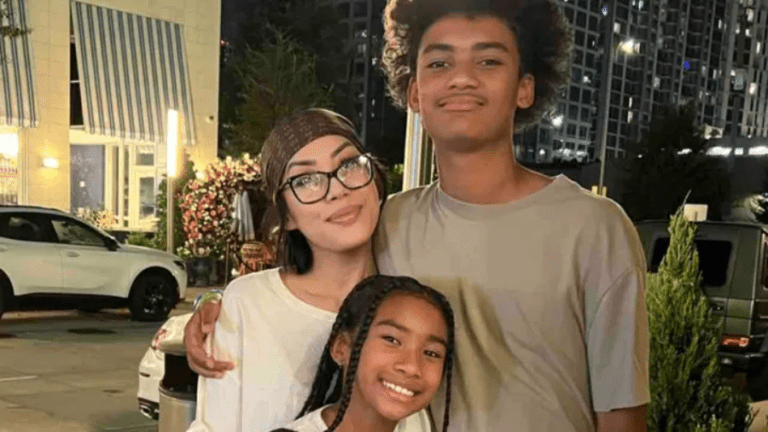
The report from Generations United, a nonprofit that strengthens practices and policies to benefit all generations, finds that 2.6 million American children are living in “grand families.” While grand families — homes where children are raised by relatives or close family friends — have more stability, higher levels of permanency, and greater safety than traditional foster care, it’s much harder for these children and caregivers to access basic services and support in areas such as housing, education, and health care due to bureaucratic barriers.
For example, if a grand family caregiver doesn’t have a legal relationship to a child, something as simple as enrolling the child in school or taking them to the doctor can be difficult or impossible; and in some states, caregivers not related by blood or marriage can’t apply on a child’s behalf for benefits such as Medicaid or Temporary Assistance for Needy Families (TANF).
Often formed out of trauma, including parental death, incarceration, and deportation, grand families come from all geographic locations, socio-economic levels, races, and ethnicities. However, Black, American Indian, and Alaska Native children are the most likely to be in grand families, and therefore, are the most likely to be impacted by these inequities.
“When children can’t remain with their parents, they do best with people who know and love them,” says Donna Butts, executive director of Generations United. “However, we cannot ask grandparents and other relatives to take on the responsibility of raising children without helping them meet children’s basic needs in return. We must do more to ensure grand families have access to the basic support they need to help the children they raise thrive.”
Butts says that there are many ways that policymakers and decision-makers can support grand families, including:
• Supporting quality kinship navigator programs, which offer information, referral, and follow-up services to grandparents and other relatives raising children, linking them to essential benefits and services.
• Promoting financial equity for grand families by creating a kinship caregiver tax credit, improving access to foster-care maintenance payments, and TANF. (Families within the foster care system can receive, on average, $511 per month in financial assistance for one child, compared with an average of just $249 for those outside the system.)
• Changing workplace policies to recognize the needs of grand family caregivers and improving their access to respite care, child care, and counseling.
For more report findings, visit gu.org. To learn more about kinship navigator programs and other services available if you are a grand family caregiver yourself, visit grandfamilies.org.
“It’s time to rethink our communal systems of care to include the unique needs of grand families,” says Butts. “Meanwhile, if the impacts of COVID-19 or other events have caused you or someone you know to step in to care for a relative or friend’s child, reach out for support. There are people ready to help you get the services and support your family needs.”
Source: StatePoint