
Immigration and efforts to reform immigration policies are at the heart of today’s heated political debates. However, for Fabiola (Faby) Aguiñaga and thousands like her, citizenship represents much more than legal status. It opens the door to stability, opportunity, and a deeper sense of belonging. Faby’s story not only highlights personal perseverance, but also underscores the vital role of family support in helping immigrants transform the American dream into a tangible reality.
Setting politics aside, d-mars.com Journal spoke with Faby about her journey to citizenship and the guidance she offers to others pursuing the same path.
Name: Fabiola (Faby) Aguiñaga
Age: 37
Year Became a Citizen: 1999
(d-mars.com) What motivated you to pursue U.S. citizenship, and how did you feel when you finally became a citizen?
I wouldn’t say I was personally motivated at first, it was something that unfolded naturally through my parents’ journey. When my parents married, they moved to Illinois. My dad is one of ten children and the third oldest. Sadly, he lost his father when he was just 12 years old. As the second oldest son, my grandfather had told him that if anything ever happened to him, my dad would need to step up and take care of the family and he did.
At a young age, my dad moved to Puerto Vallarta to find better opportunities, and eventually he felt that starting a family in the United States would provide the best future. He and my mom came to the U.S. undocumented and had my sister here. Eventually, my dad was deported, and they had to return to Puerto Vallarta. I was born there and after that my dad returned to the U.S.
By the time I was 7, my dad had obtained his residency through President Ronald Reagan’s amnesty program. Five years later he became a citizen. Once that happened, he was determined to reunite our family. Unfortunately, the legal process would have taken many years, so he chose to bring my mom and me over without proper documentation. After we arrived, he paid a fine ($1,000 per person), and with that, was able to apply for our residency and eventually our citizenship.
Becoming citizens changed our lives, it gave us the opportunity to be together as a family, and that meant everything.
(d-mars.com) Can you describe a specific moment or opportunity you gained after becoming a citizen that wouldn’t have been possible before?
When my dad became a citizen, it opened the door for him to help us and eventually, his siblings. One moment that stands out is when one of his sisters was finally able to reunite with her husband in the U.S. and work to support her family. That opportunity gave her a fresh start and a better future, something that wouldn’t have been possible without my dad’s help and his citizenship.
(d-mars.com) What challenges did you face on the path to citizenship, and how did overcoming them shape you?
I was fortunate not to face many personal challenges because my dad worked so hard to pave the way for us. I’m incredibly blessed to have a father who took every opportunity seriously and never gave up, even after being deported. He had a good job, was doing well, and still found the strength to start over and push forward with his dream of a better life for his children. He never relied on handouts and always worked hard for everything he achieved. Watching him shaped me into someone who values hard work, persistence, and family.
(d-mars.com) Has becoming a citizen changed how you engage with your community or participate in civic life (e.g., voting, volunteering, advocacy)?
I can’t say it changed who I am, because helping others was something my dad always taught us. I’ve had the opportunity to teach English as a second language through my church’s community program, and that experience reminded me how important it is to give back.
As for voting, my dad taught me early on that it’s a privilege not to be taken for granted. He always reminded me that using your voice at the polls is how we protect and improve our communities.
(d-mars.com) How has your relationship with your family—both in the U.S. and back home—been affected by your new status?
Moving to a new country definitely changed things. I come from a very close, tight-knit family, and leaving that behind was hard. I didn’t get to grow up with my cousins the way I had hoped; we were very close as kids.
At the same time, our new life gave my dad the opportunity to support his family from afar. He took on a deep sense of responsibility and has always been the one his family can count on. He continues to help however he can, and I’ve always admired how hard he works and how dependable he is.
(d-mars.com) What advice would you give to others who are thinking about becoming citizens or are currently going through the process?
Becoming a citizen is a journey, it takes time, patience, and persistence. My advice is to stay informed, keep your paperwork organized, and never be afraid to ask for help or speak with a legal professional. Study early for your interview and the civics test. If English isn’t your first language, practice a little every day, it makes a big difference.
Most importantly, don’t give up. Citizenship isn’t just about paperwork, it’s about opportunity, belonging, and the power to shape your future and your community.
IN CONCLUSION:
For many Americans, the road to citizenship is defined by sacrifice, determination, and hope. It’s not just a legal process—it’s a personal journey or transformation into a new life. Citizenship brings not only the right to vote, but also the power to shape a future with renewed confidence. Becoming a citizen isn’t the end of the story—it’s just the beginning of a new chapter.
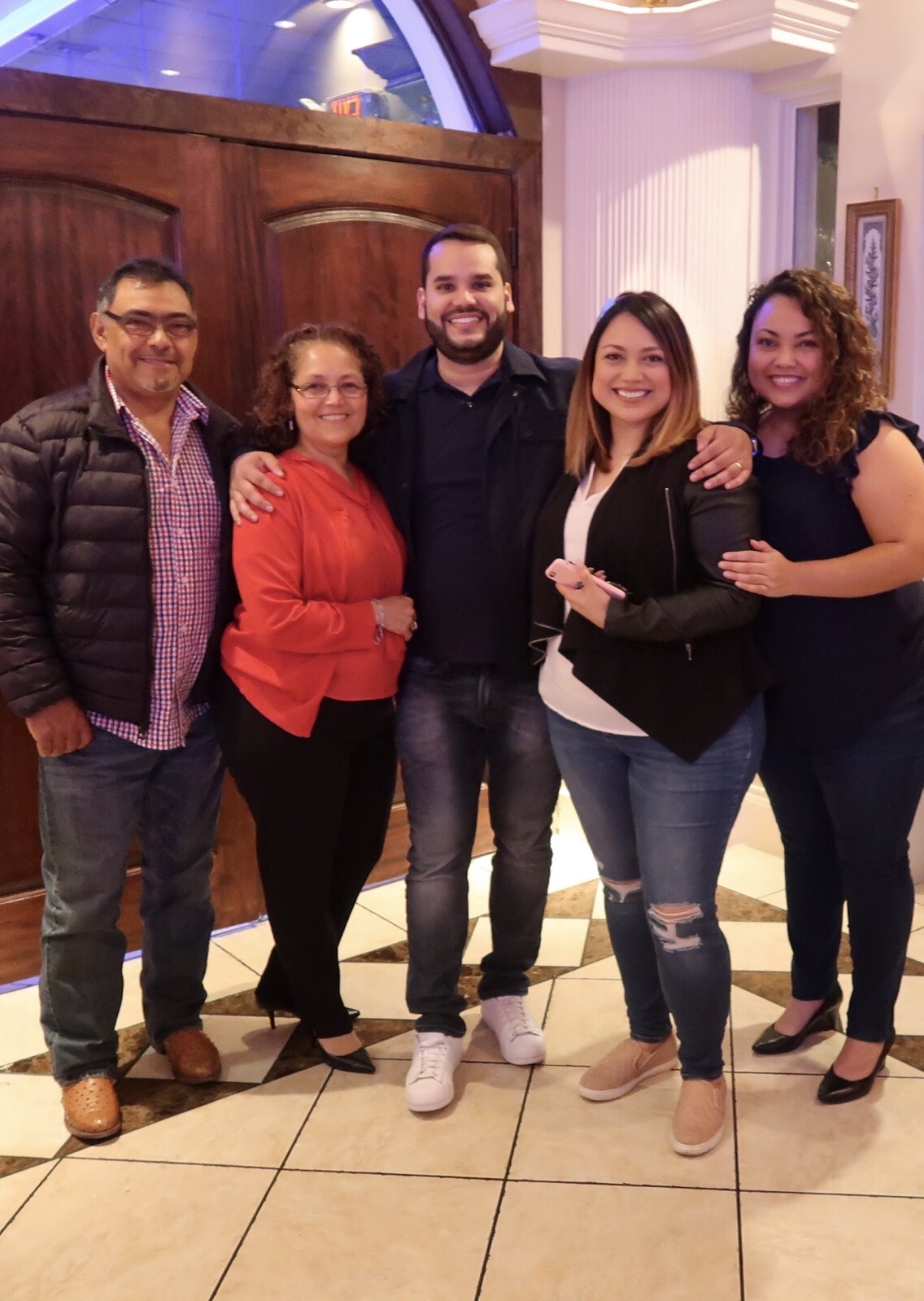
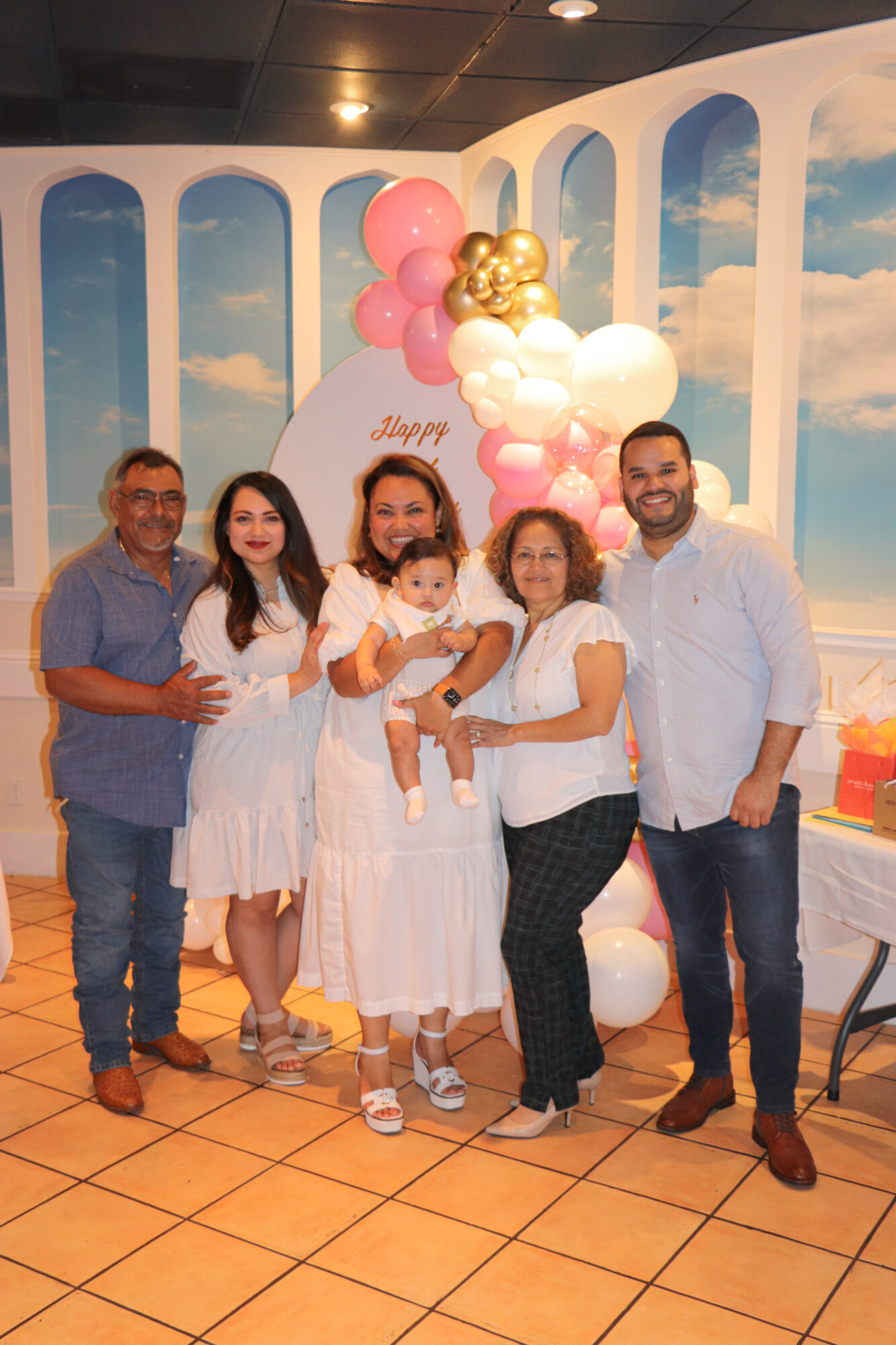
Special thanks to Faby and the Aguiñaga family for sharing their journey with us. -Kim Floyd
For additional resources, please visit: