

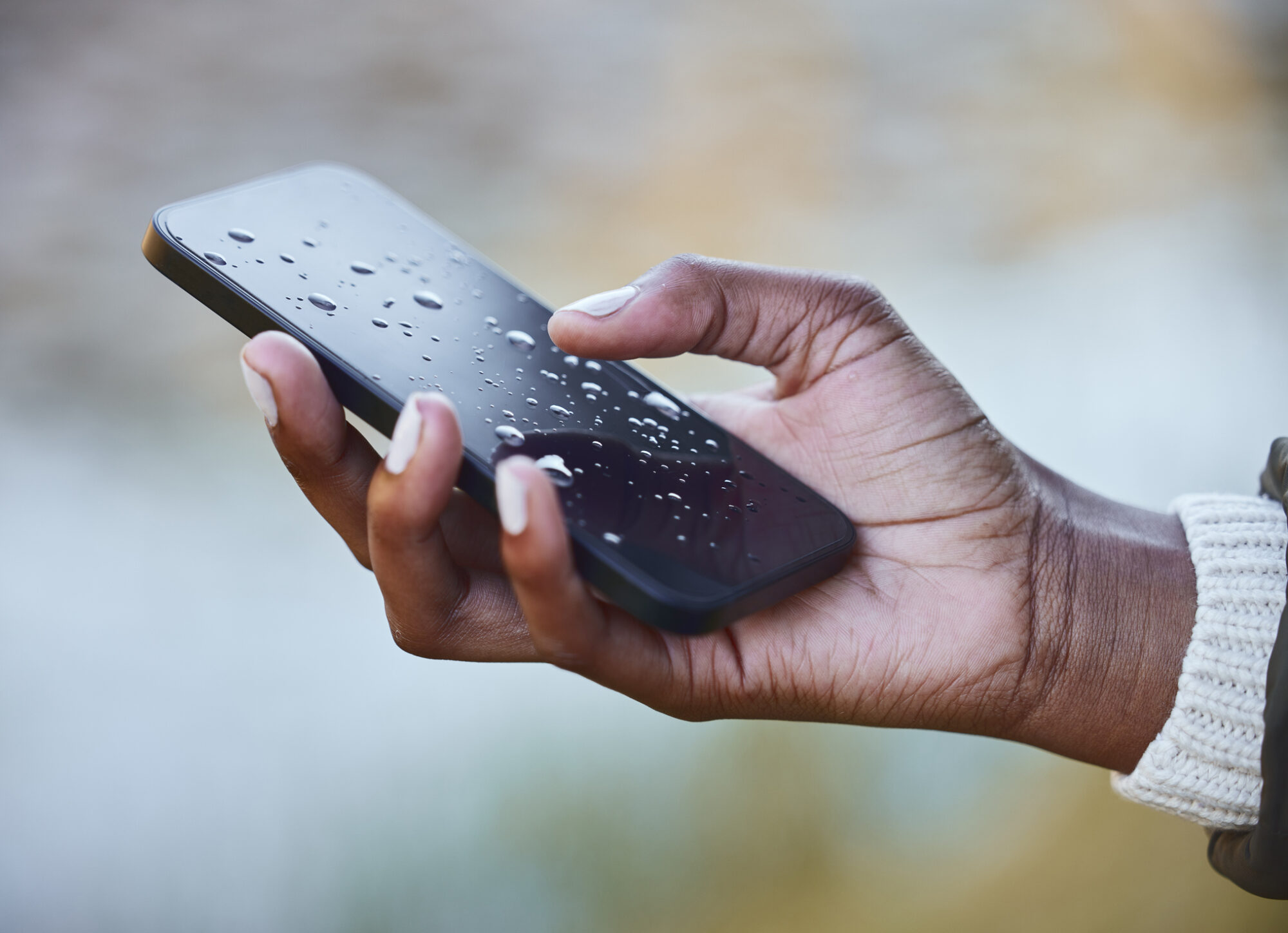
Nearly everyone has encountered the unthinkable: Your smartphone landed in the toilet. Or you forgot to take off your smartwatch before jumping into the pool. Or maybe you meant to take those earbuds out of your pocket before running the laundry. What now?
Rachel Plotnick is a researcher who studies how technologies play a part in people’s everyday practices and experiences. Their new book, “License to Spill: Where Dry Devices Meet Liquid Lives,” explores the wet-dry boundary in how people perceive and treat their electronic devices.
Here are five common myths about getting devices wet:
Myth 1: My device turned back on! It’s fine
While it’s a relief to see your technology rise from the dead, what you can’t see are subtle processes occurring inside, like corrosion. The breakdown of your device’s metal parts due to moisture often happens over time, in a period that can take place days, weeks, or months after the offending incident.
That’s why even humidity from moist climates or your steamy shower can make a long-term impact.
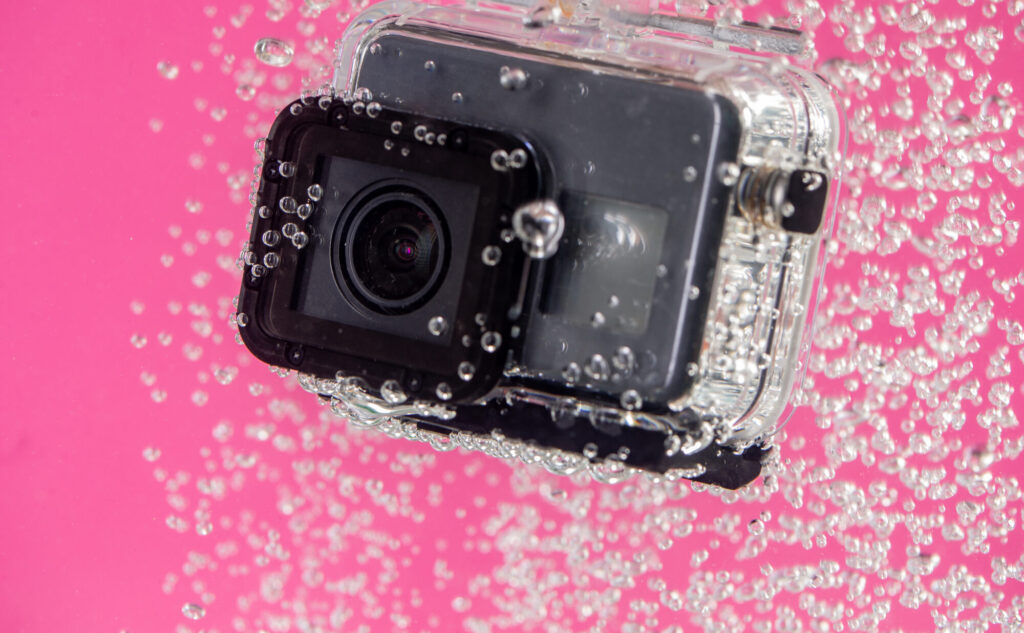
Myth 2: My ‘waterproof’ device can tolerate any kind of wetness
The term “waterproof” is a controversial one – so controversial, in fact, that the Federal Trade Commission has strict rules about using the term in advertising.
It’s better to examine different water resistance standards, such as ingress protection, or IP, ratings and MIL-SPEC, or ISO in the case of watches, and to read the fine print about what those standards actually cover.
Myth 3: My device has a great IP rating, so it’s been tested under real-world conditions
It’s important to know that these ratings are based on contact with fresh water. If you’re worried about Jacuzzi suds or that tipped-over can of beer, there’s no guarantee that a manufacturer has tested your device in these situations.
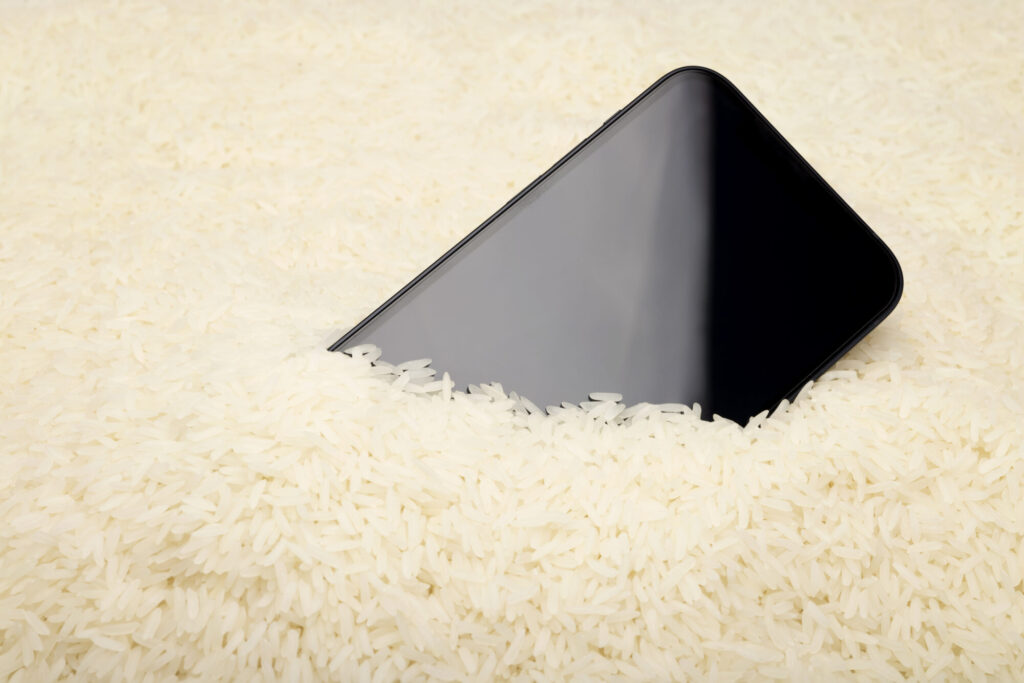
Myth 4: I’ve got some rice in the kitchen. I can fix this myself!
The rice hack doesn’t work very well, and rice particles can enter the device to cause even further damage. Aside from bringing your device to a professional repairer, you’re better off immediately powering down your product, removing its battery and plug, if you can, and letting all the components dry over a day or two.
Myth 5: Well, this device is broken, but I’ve got a warranty to replace it
While you’re pulling your product from its watery grave, you might find relief in the fact that it came with a warranty. Not so fast.
Most traditional consumer technology limited warranties don’t cover liquid damage. These days, you usually need to purchase an add-on warranty, often called Accidental Damage from Handling. Beware, though: Even those policies may limit how many wetness “incidents” or “events” you’re allowed per year.
Keeping it realistic
Water resistance features on devices like laptops, tablets, smartphones and smartwatches have recently improved, but the deck is still often stacked against consumers who must wade through the hype of advertising claims, mystifying classification systems, and penalizing policies.
That’s why it’s critical for manufacturers to think carefully and ethically about how their products are designed, marketed and serviced. In terms of design, water resistance is no longer a niche feature meant solely for industrial workers or outdoor adventurers. While it’s unrealistic to expect a device that’s designed to resist every hazard, it’s also unreasonable to ask consumers to tiptoe around the products that provide them with access to critical resources and social support.
After all, we’re each just one splash away from crying over spilled milk.
Source: Family Feature (Edited by d-mars.com)